How to read an athlete development report: A guide for parents
Learn how to read an athlete development report, compare test results and discuss clear next steps with your child’s coach and Athletic Labs.

· 3 min read
Key points
- Read each test in context, including its unit and purpose.
- Compare suitable earlier results with the coach.
- Agree on one clear next step and a review date.
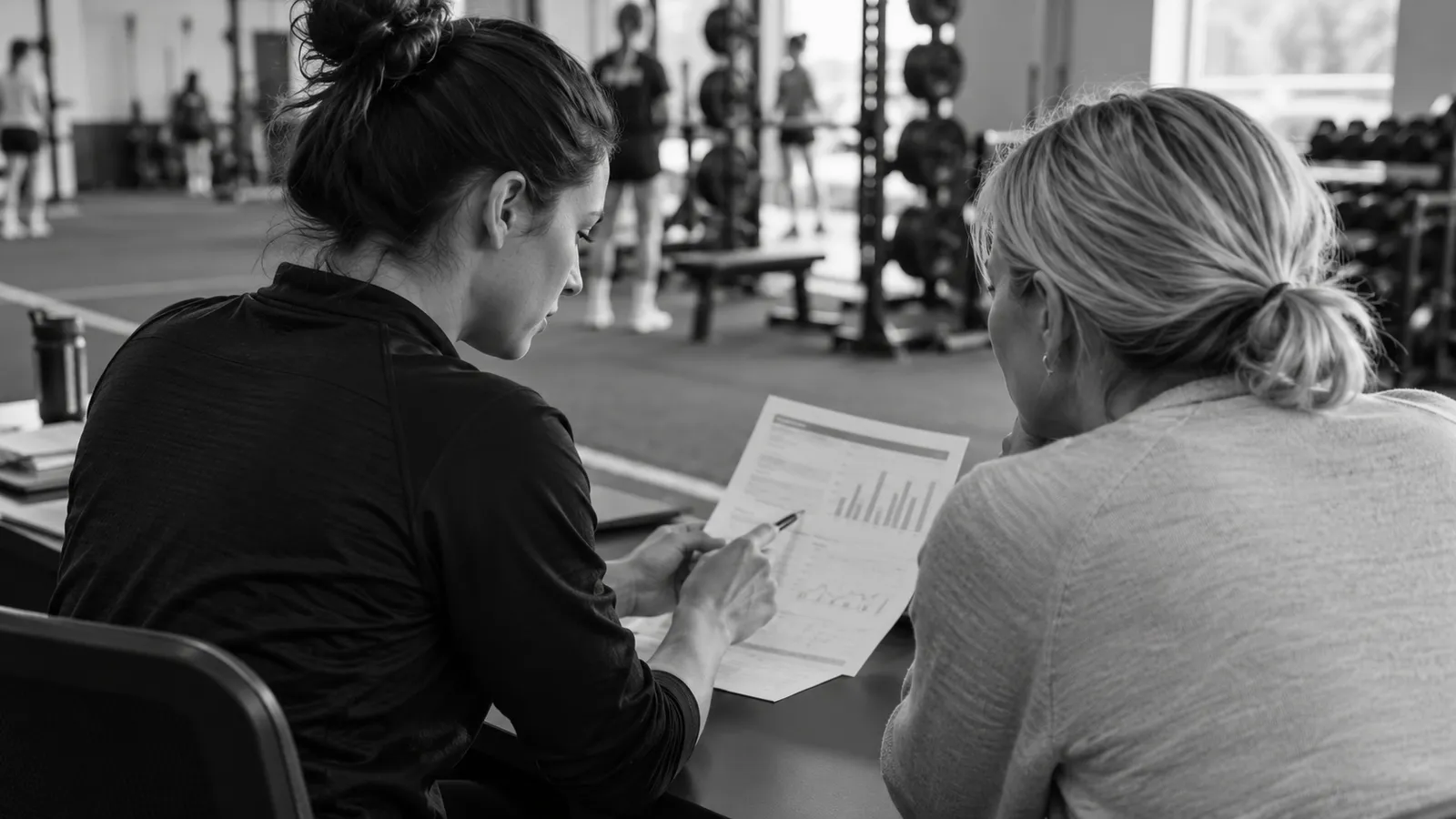
An athlete development report brings together test results and areas to follow over time. Parents can use it to prepare for a discussion with the coach. First, check what each test measures. Then compare suitable past results and agree on a clear next step. The report is a guide to discussion, not a school grade.
Athletic Labs connects individual reports with development advice and measurement history. Read our guide to athlete testing across 25 sports for the wider process. This guide explains how parents can use those features without reducing a child’s progress to a single score.[1]
What does each test result mean?
A result describes one test under specific conditions. Therefore, check the test name, unit and purpose before judging the number. A lower time may be useful in one test, while another measure needs a different interpretation.
For example, a sprint time and a jump distance answer different questions. Ask the reporting team to explain any term you do not understand. Also, check whether the result is being compared with the child’s own history or with a reference group.
How should you compare earlier results?
Start with the athlete’s own measurement history. However, a difference between two scores does not explain its cause. Check the dates and methods before linking every change to training.
Discuss growth, training routine and the athlete’s condition with the coach. In addition, ask whether the testing conditions were comparable. One low result does not establish a lasting limitation.
How can advice become a useful next step?
Turn the recommendation into a practical question for the coach. For instance, ask which part of the team programme will address the identified need. Then clarify whether individual work is appropriate and how progress will be reviewed.
Training, food and rest should be discussed together. Otherwise, the family may treat each recommendation as an extra task with no shared priority.
How should you discuss the report with your child?
Begin with the child’s experience and a clear goal. Instead of asking where they rank in the team, ask which activity feels easier and which needs support.
Discuss strengths as well as areas for development. Also, focus on the child’s own earlier experience rather than constant comparisons with teammates. A report should support the athlete, not give them a fixed label.
Athlete development report checklist
Bring the test date, earlier result and questions about the advice. The following checklist translates the reporting and history features described in the Athletic Labs product guide into discussion points.[1]
Which test and unit does this result use?
Are the earlier conditions comparable?
What is the next agreed goal?
Who will guide the next step?
How and when will progress be reviewed?
The report does not provide a medical diagnosis. If your child has pain or a health concern, consult a qualified health professional. To explore how reporting can fit your club, contact the Athletic Labs team.
References
- Athletic Labs. Feature Guide and Post Analysis. Product features document, reviewed 25 October 2026.
- Athletic Labs. Official product and contact page. https://www.athleticlabs.com.tr/en/
This article is for general information and does not replace diagnosis or treatment. Consult a professional about health problems and training plans.